Bokun Sync Platform
The Bokun Sync Platform is an integration system developed for tourism businesses to automatically synchronize products from the Bokun reservation platform into WordPress.
Instead of manually recreating booking content on websites, the system imports product data, media, and structured information into searchable WordPress content, allowing businesses to maintain a single source of truth while improving SEO and content management.
Context & Challenge
Tourism operators often manage bookings through Bokun while maintaining their marketing website separately.
- This creates several challenges:
- duplicated content management
- inconsistent product information
- poor search engine visibility
- time-consuming manual updates
- disconnected editorial workflows
The objective was creating an automated synchronization process that reduced maintenance while preserving the flexibility of WordPress.
HeadingSolution
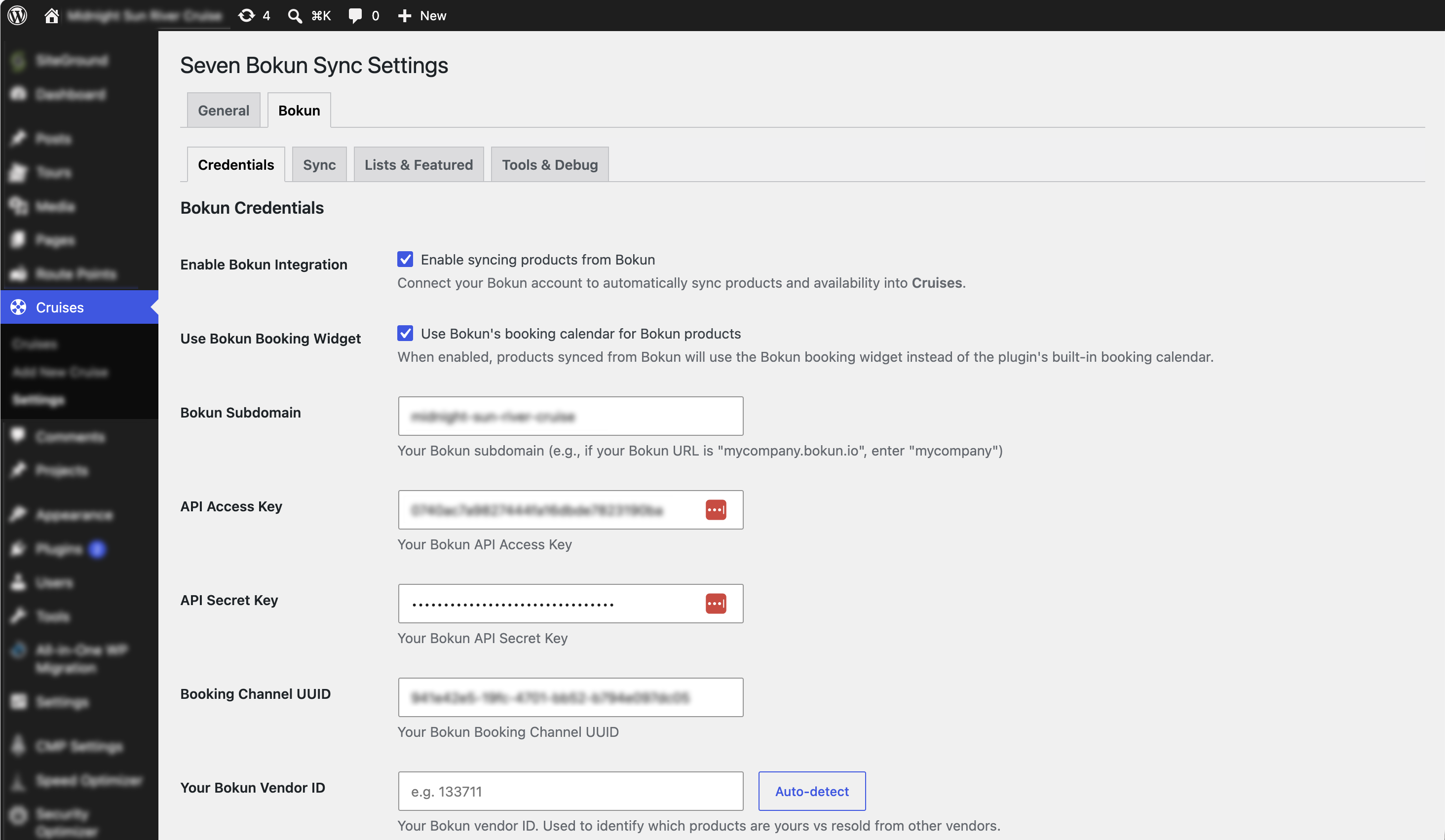
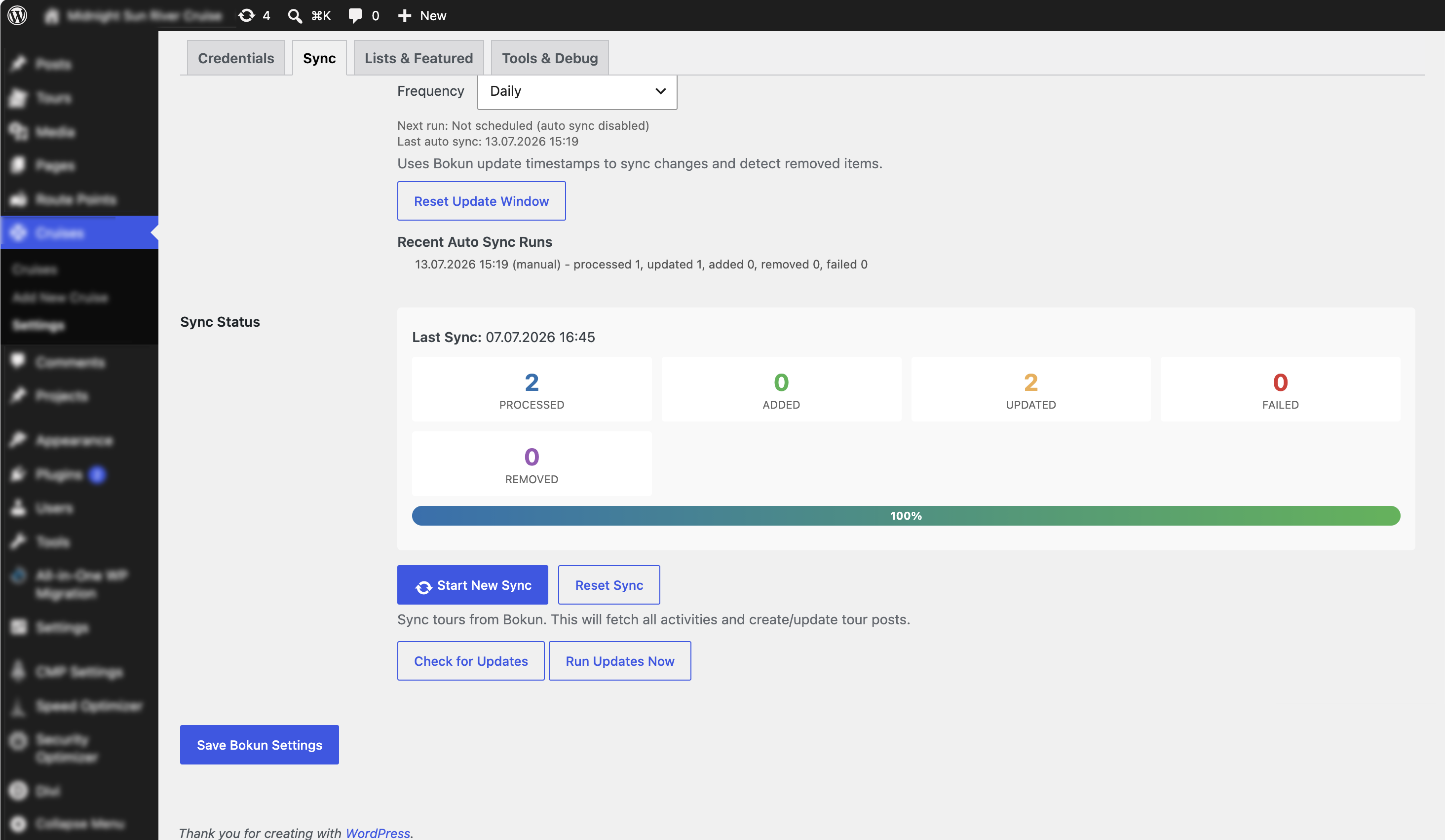
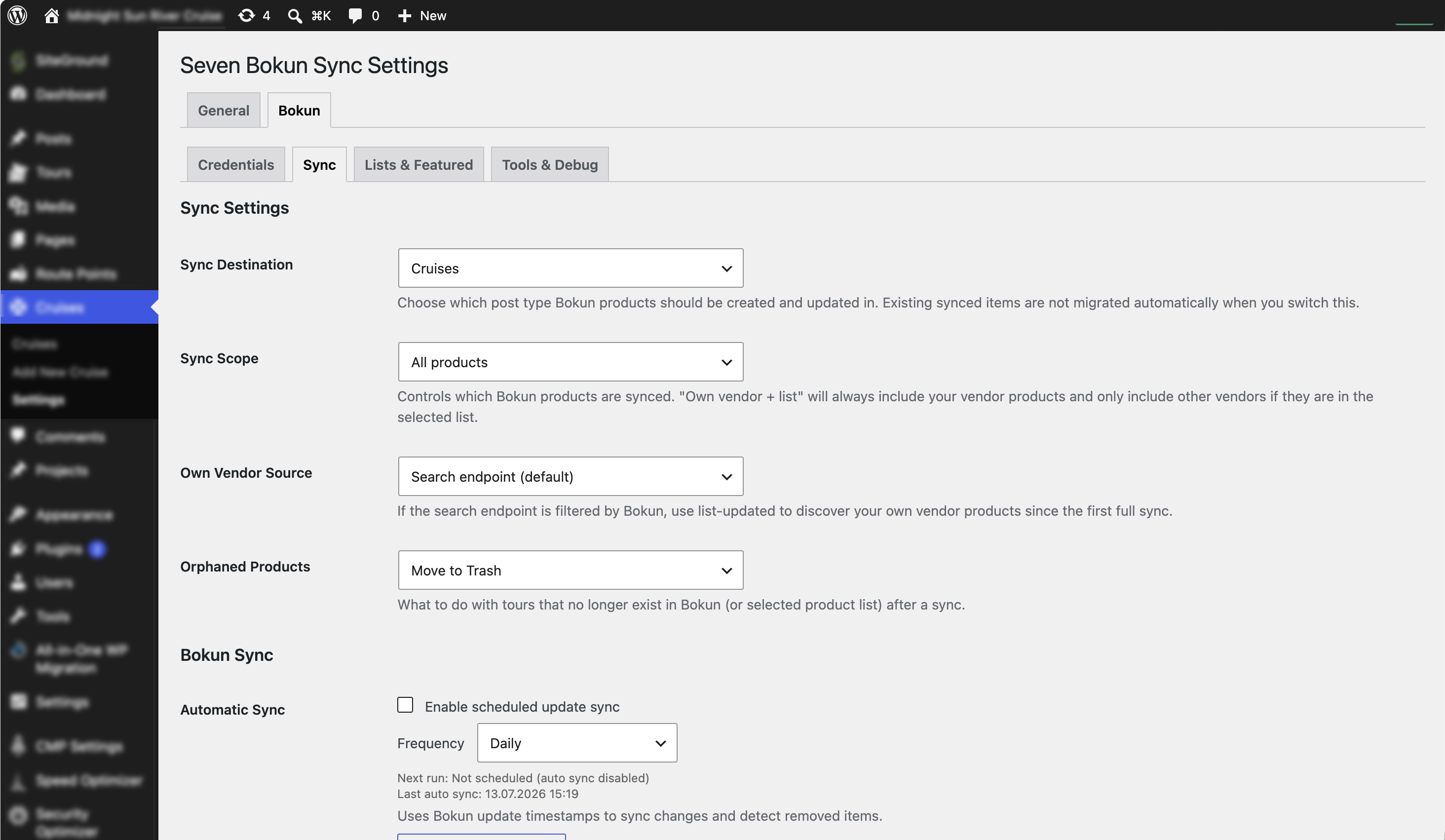
The platform synchronizes Bokun products into custom WordPress content structures through automated data processing.
The system includes:
- automatic product synchronization
- custom post type generation
- taxonomy synchronization
- media importing
- booking widget integration
- SEO-friendly product pages
- multilingual compatibility
- flexible content customization
Rather than exposing Bokun directly as the public website, the integration allows businesses to build richer user experiences while keeping booking information synchronized.
My Role
I was responsible for:
- solution architecture
- API integration
- WordPress plugin development
- data modeling
- synchronization logic
- frontend implementation
- client customization
- deployment
- maintenance and iteration
Technical Approach
The platform was designed around synchronization rather than duplication. Product information is retrieved from Bokun, transformed into structured WordPress content, and enriched with additional editorial material without losing synchronization with the booking system.
This allows marketing teams to optimize content independently while operational booking data remains centrally managed.
Outcome
The platform has been deployed across multiple tourism websites, enabling automated synchronization between Bokun and WordPress while improving editorial flexibility and search engine visibility.
The project demonstrates experience in API design, systems thinking, full-stack development, and translating business requirements into scalable software solutions.
Key Learnings
Business automation often creates more value than adding features.
Automating repetitive publishing tasks significantly reduced manual work while improving content consistency.
Good integrations balance flexibility with reliability.
The synchronization workflow was designed to accommodate different client websites without requiring changes to the underlying booking platform.
Modern APIs enable content ecosystems rather than isolated systems.
The project reinforced my interest in designing products that connect existing services into seamless user experiences.
Tech Stack